Commercial Roof Maintenance: A Brisbane Business Guide
Operating a commercial property in Brisbane requires a proactive approach to facility management. With the city's unique subtropical climate—characterised by prolonged periods of intense ultraviolet radiation, sudden severe summer storms, and high humidity—commercial roofing systems endure significant environmental stress. In 2026, preventative commercial roof maintenance is not just an operational necessity; it is a critical strategy to protect capital investments, maintain business continuity, and ensure full compliance with Queensland workplace safety and insurance mandates.
Why Commercial Roof Maintenance Matters in South East Queensland
Brisbane properties face distinct meteorological challenges throughout the year. During the summer months, roof surfaces can exceed 60 degrees Celsius under direct sunlight before rapidly cooling during torrential downpours. This cycle of extreme thermal shock causes metal sheets, membranes, and structural fastenings to expand and contract rapidly, accelerating material fatigue, loosening fasteners, and degrading sealants.
Failing to identify these vulnerabilities early often leads to water ingress, stock damage, electrical hazards, and unplanned operational downtime. By establishing a structured maintenance schedule, Brisbane commercial property owners can significantly extend the lifespan of roofing substrates—such as Colorbond steel, Klip-Lok profiles, and low-slope single-ply membranes—while keeping long-term capital expenditure predictable.
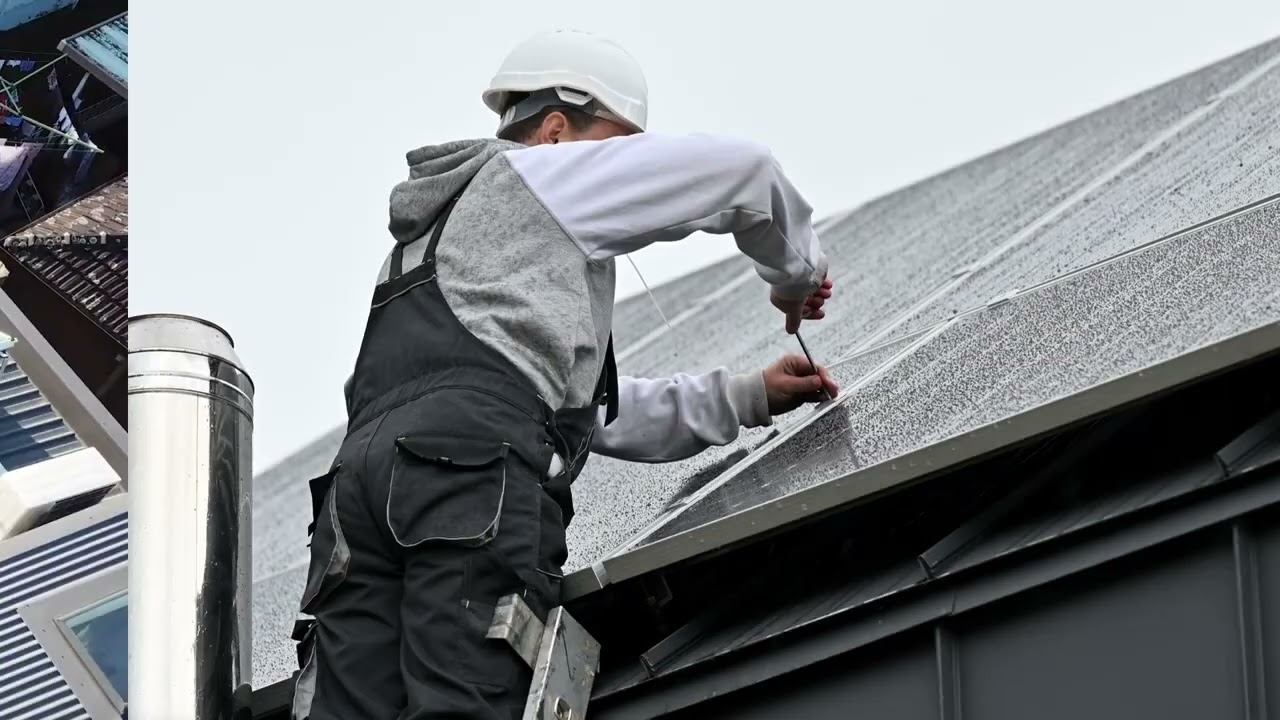
Essential Checkpoints for Commercial Roof Inspections
A comprehensive commercial roof audit must evaluate both the weatherproofing layer and the drainage infrastructure. Given the high rainfall rates common during Brisbane storm events, water shedding capacity is just as vital as roof integrity.
- Box Gutters and Parapets: Clearing debris, silt, and vegetative growth to avoid overflow into building interiors during flash rain events.
- Fasteners and Fixings: Inspecting screw gaskets and neo washers for UV degradation, rust, or backing out caused by building movement.
- Penetrations and Flashings: Checking waterproof collars around air conditioning risers, exhaust vents, skylights, and solar mounting footings.
- Membrane Seams: Identifying lap separation, blistering, or mechanical punctures on flat and low-pitch sections.
- Surface Coatings: Assessing reflective thermal coatings for chalking, peeling, or pooling damage.
Recommended Annual Maintenance Timeline
To keep commercial roofing systems performing efficiently under local environmental conditions, businesses should implement a bi-annual servicing schedule aligned with Brisbane's seasonal patterns.
- Pre-Storm Season Audit (September to October): Inspect the entire perimeter before the onset of severe convective storms, clearing all drainage paths and reinforcing vulnerable flashings.
- Post-Summer Recovery Check (March to April): Evaluate the roof plane for damage caused by summer heat waves, high winds, or hail, and perform necessary remedial sealing.
- Mid-Year Drone or Visual Assessment (July): Conduct a mid-year walk-through or non-invasive aerial inspection to ensure no localized pooling or bird nesting has compromised the surface during the dry season.
Regulatory Compliance and Insurance Standards in 2026
Under current Work Health and Safety (WHS) Queensland legislation, property owners and facility managers hold a duty of care to ensure safe access to building roofs. Maintenance teams must have certified anchor points, static lines, and guardrails that undergo annual safety re-certification. Conducting roof maintenance without verified height safety equipment exposes businesses to severe regulatory penalties.
Furthermore, commercial property insurers have tightened requirements regarding water ingress claims. Insurers frequently request historical maintenance logs to verify that roof damage was caused by a discrete storm event rather than chronic wear, neglected gutters, or deferred maintenance. Maintaining documented inspection reports provides necessary evidence to protect insurance coverage when extreme weather strikes.
Preparing Roofing Assets for 2027 and Beyond
Looking ahead toward 2027, commercial roof management in Brisbane is increasingly integrating energy performance targets. Modern reflective cool-roof coatings and rooftop photovoltaic arrays place additional demands on roof https://arthurwqxp552.lucialpiazzale.com/ultimate-guide-to-choosing-gutter-guards-for-gum-trees structures. Regular preventative care ensures that roofs not only remain watertight, but also support sustainable energy initiatives by reducing internal cooling loads and maximizing rooftop solar generation over decades of service.
Brisbane Roof Restoration Experts
(07) 3132 1605